A low credit score feels like a closed door, but the data tells a more nuanced story. Roughly 45% of denied loan applications from nonemployer businesses are turned down specifically because of a low credit score, according to a 2025 Report on Nonemployer Firms. At the same time, alternative lenders approved 71% of applicants who had already been rejected by traditional banks, based on Small Business Administration data. In other words, a bank rejection is rarely the end of the road. This guide breaks down which lenders actually work with weaker credit, what realistic approval odds look like, and how to strengthen an application before submitting it.
What Counts as a Low Credit Score for a Business Loan
Credit score requirements vary widely depending on the lender type, so there is no single cutoff that applies everywhere.
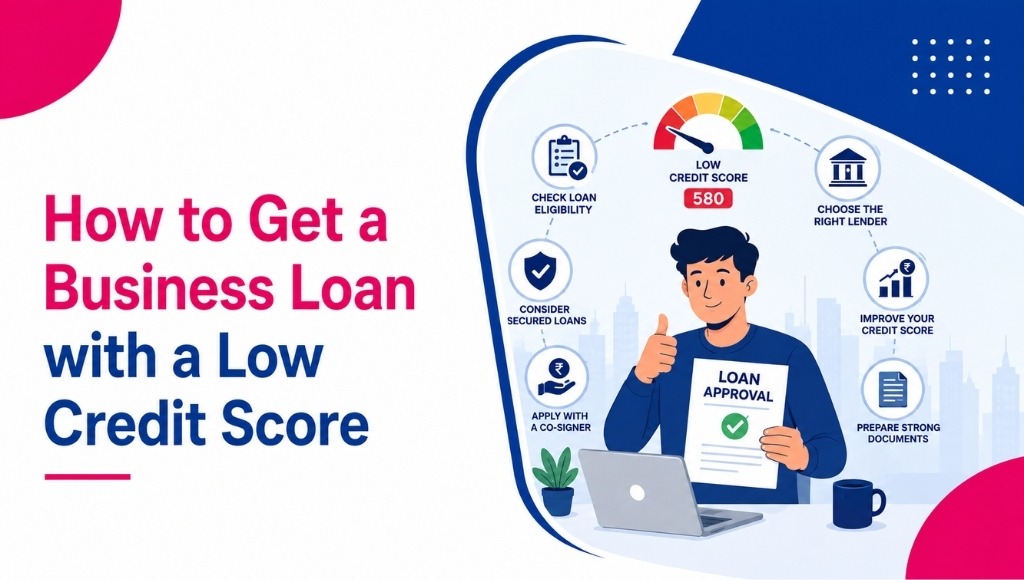
Typical Score Thresholds by Lender
- Large national banks generally require a personal credit score of 700 or higher
- SBA loans typically require a minimum score between 640 and 680
- Community banks and credit unions often look for scores around 660 or above
- Online and alternative lenders may approve applicants with scores as low as 500 to 580
Why Lenders Weigh Credit Score So Heavily
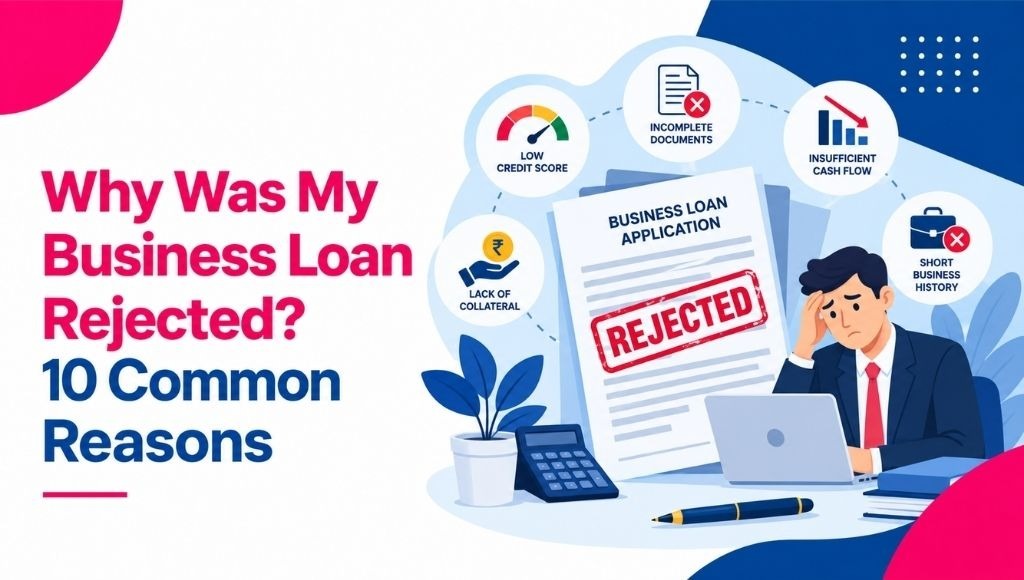
Insufficient credit history or a low score is cited in approximately 45% of business loan denials, according to Federal Reserve survey data, making it the single most common reason applications get rejected. Weak cash flow and existing debt load follow closely behind. Lenders use credit score as a quick signal of repayment risk, but it is rarely the only factor considered once an application moves past the initial screening stage.
Business Loans for Bad Credit Worth Exploring
For owners who do not meet traditional bank thresholds, several categories of business loans for bad credit exist specifically to serve this segment of the market.
Options That Typically Accept Lower Scores
- Microloans: Offered by nonprofit lenders and community development financial institutions, often accepting scores as low as 575, with amounts ranging from a few hundred dollars up to the SBA Microloan cap of $50,000
- Equipment financing: Approves scores around 575 to 600 since the equipment itself serves as collateral, covering up to 80 to 100% of the purchase cost
- Merchant cash advances: Consider scores from roughly 500, repaid through a percentage of daily or weekly card and bank deposits
- Invoice factoring: Useful for B2B businesses waiting on unpaid invoices, advancing 70 to 90% of invoice value regardless of personal credit history
How Approval Rates Differ Across Lender Types
Understanding realistic odds helps set expectations before applying. Large banks approve approximately 13 to 15% of small business loan applications, while community banks and credit unions approve between 19 and 24%. Online lenders post the highest approval rates among traditional categories, typically funding 26 to 30% of applicants, largely because their underwriting weighs revenue and cash flow alongside credit history rather than credit score alone.
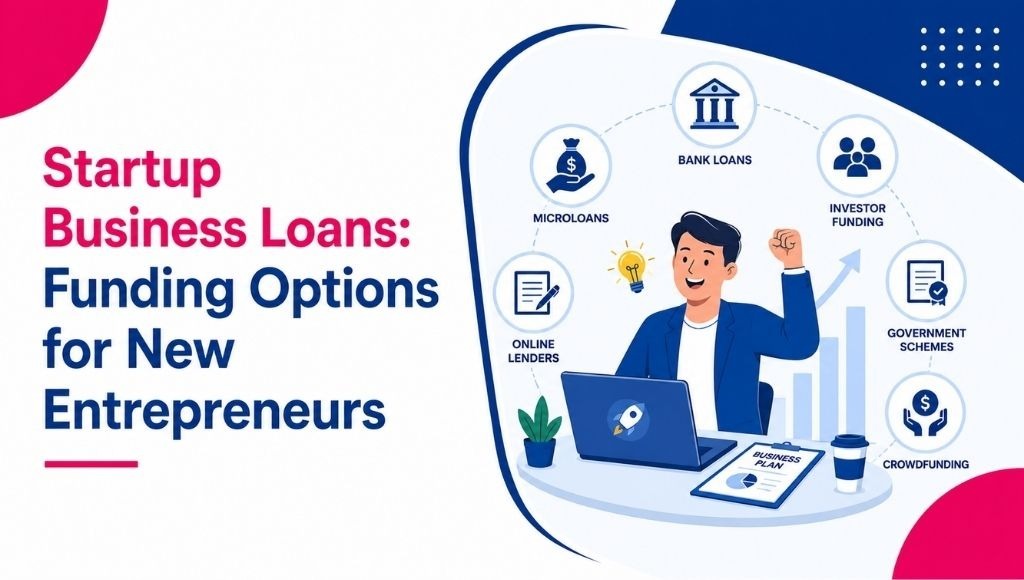
Exploring Small Business Financing Options Beyond Traditional Banks
Owners with damaged credit often assume a bank loan is the only real path to funding, but the broader financing landscape includes far more flexibility than most people realize. A wide range of small business financing options now exist outside conventional banking, including revenue-based financing, where a lender provides capital in exchange for a fixed percentage of future monthly revenue rather than a traditional fixed repayment. This structure can work well for seasonal businesses whose cash flow fluctuates throughout the year.
Turning to Alternative Lenders When Banks Say No
When a traditional bank application gets denied, alternative lenders are usually the next stop, and for good reason. These lenders generally place more weight on monthly bank deposits, time in business, and industry stability than on a single credit number, which explains why approval odds climb sharply once an applicant moves outside the conventional banking system. The tradeoff is cost. Bad credit financing options are typically more expensive than a conventional bank loan, so it is worth comparing the total repayment amount, not just the approval odds, before signing.
SBA Loans and What They Actually Require
The SBA does not lend money directly. Instead, it guarantees a portion of the loan issued by a partner bank, which reduces risk for the lender and can open the door for borrowers who would not otherwise qualify.
Key SBA Loan Facts
- SBA 7(a) loans typically require a minimum credit score around 640 to 680
- The average SBA 7(a) loan size was approximately $542,000 in the most recent fiscal year
- SBA Microloans average closer to $16,500, making them more accessible for very small operations
- An acceptable explanation for a lower score, such as a documented medical or economic hardship, can sometimes support an application even below the stated minimum
Steps to Improve Your Business Credit Score Before Applying
Waiting even a few months to work on credit health can meaningfully change which lenders are willing to work with you.
- Pay down existing revolving balances to lower credit utilization
- Correct any errors on personal or business credit reports before applying
- Build a business credit profile separately from personal credit, since some lenders weigh both
- Keep several months of clean bank statements on hand, since strong cash flow can offset a weaker score with alternative lenders
Frequently Asked Questions
Can I get a business loan with a credit score under 600?
Yes. Alternative lenders, merchant cash advances, and equipment financing programs frequently work with scores between 500 and 600, though rates and terms are usually less favorable than conventional bank loans.
Do all lenders check personal credit for a business loan?
No. Some financing options, particularly invoice factoring and certain revenue-based products, focus primarily on business cash flow rather than the owner’s personal credit history.
Is it better to wait and improve my credit score first?
It depends on urgency. If the business can wait, improving a credit score even modestly can unlock significantly better terms, but businesses with immediate cash flow needs often cannot afford to delay funding.
Final Thoughts
A low credit score narrows the field of available lenders, but it does not eliminate financing entirely. Microloans, equipment financing, merchant cash advances, and SBA-backed loans all serve borrowers who fall outside conventional bank requirements, and approval odds through alternative lenders are considerably higher than many owners expect. The most practical approach is comparing total cost across a few realistic options rather than assuming the first rejection closes the door for good.
This article is for general informational purposes only and is not financial or lending advice. Loan terms, credit requirements, and approval criteria vary by lender and change over time, so confirm current requirements directly with any lender before applying.
References
- Nav, Small Business Credit Statistics 2026 – nav.com/business-credit/small-business-credit-statistics
- Crestmont Capital, Small Business Lending Statistics: Approval Rates, Default Rates & Trends for 2026 – crestmontcapital.com
- Crestmont Capital, Business Loan Denial Rates: Top Reasons and Statistics (2026) – crestmontcapital.com
- Bankrate, Business Loan Requirements: What You’ll Need To Qualify – bankrate.com