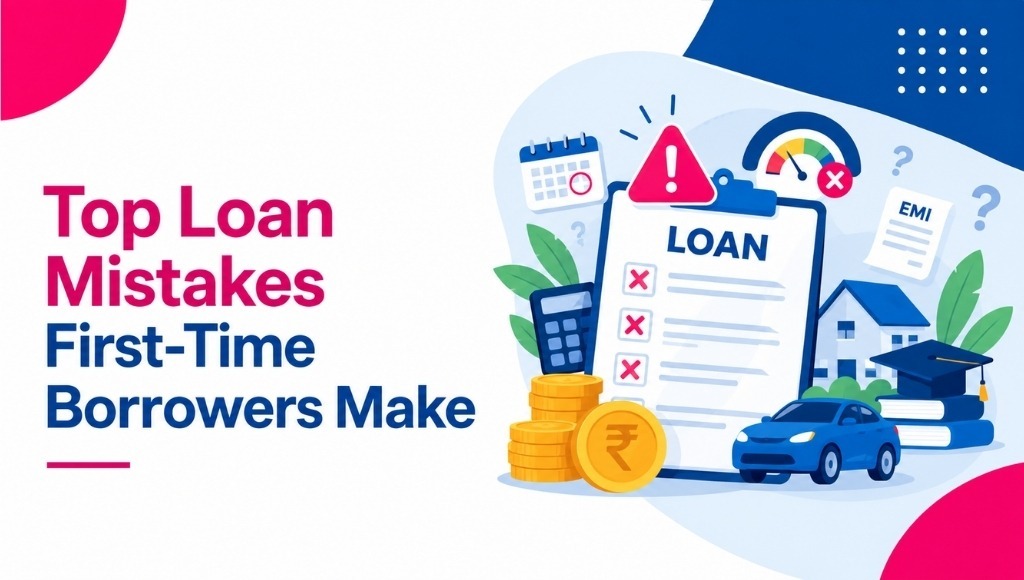
Taking out a first loan is a milestone most people only get right the second time around, after the expensive lesson of the first one. Personal loan delinquency rates, meaning accounts 60 days or more past due, climbed to 3.98% in the first quarter of 2026, up from 3.75% a year earlier, with the average borrower now carrying $11,768 in personal loan debt. A meaningful share of that stress traces back not to bad luck, but to avoidable mistakes made before the loan was ever disbursed. First-time borrowers in particular tend to focus almost entirely on getting approved, giving far less thought to whether the repayment actually fits comfortably into their monthly budget. This guide walks through the mistakes that consistently trip up first-time borrowers and what to do instead.
Why First-Time Borrowers Are More Vulnerable to Mistakes
Experienced borrowers have usually already made these mistakes once and learned from them. First-time borrowers rarely have that benefit, which makes upfront education especially valuable before signing anything.
What Makes a First Loan Riskier Than Later Ones
- No prior experience comparing lenders, rates, or loan structures to benchmark against
- Limited understanding of how credit score, income documentation, and existing debt interact in a lender’s decision
- Emotional urgency, since a first loan is often tied to a specific, time-pressured need like education, a vehicle, or a business launch
- Less familiarity with total cost of borrowing beyond the advertised interest rate
Mistake 1: Focusing Only on Approval, Not Affordability
Many first-time borrowers treat approval itself as the finish line, when it is really just the starting point of a multi-year financial commitment.
- Just because a lender approves a certain loan amount does not mean borrowing the maximum is the right choice
- Repayment comfort should be measured against actual monthly cash flow, not just what a lender is willing to offer
- A loan that stretches a budget to its absolute limit leaves no room for unexpected expenses down the line
Mistake 2: Not Comparing Multiple Lenders
Accepting the first offer that comes through, often from a bank the borrower already has a relationship with, is one of the most common and costly first-loan mistakes.
- Interest rates, processing fees, and prepayment terms can vary significantly between lenders for the same loan amount
- Even a small difference in interest rate compounds meaningfully over a multi-year repayment term
- Comparing at least three offers before committing gives a first-time borrower real leverage to negotiate better terms
Mistake 3: Ignoring the Total Cost of Borrowing
The advertised interest rate is rarely the full picture, and first-time borrowers frequently underestimate how much additional cost sits outside that headline number.
- Processing fees, documentation charges, and insurance add-ons can meaningfully increase the effective cost of a loan
- Prepayment or foreclosure penalties matter if there is any chance of paying off the loan early
- Calculating the total repayment amount, not just the monthly EMI, gives a clearer picture of what the loan actually costs
Mistake 4: Applying to Multiple Lenders Too Quickly
In an effort to compare options, some first-time borrowers submit several applications within a short window, not realizing this can actively work against them.
- Each hard credit inquiry can cause a small, temporary dip in credit score
- Multiple inquiries within a short period can signal risk to lenders, even if the borrower’s intent was simply comparison shopping
- Researching rates and eligibility criteria online first, then applying selectively to a shortlist, avoids this unnecessary credit impact
Mistake 5: Not Reading the Loan Agreement Carefully
Signing quickly without reviewing every clause is a mistake that often only becomes apparent months or years later, when a fee or condition surfaces unexpectedly.
- Prepayment penalties, late payment fees, and rate revision clauses are frequently buried in the fine print
- Understanding whether the interest rate is fixed or floating changes how predictable repayment will be over time
- Asking a lender to clarify any unclear term before signing costs nothing, while assuming and being wrong can cost significantly more
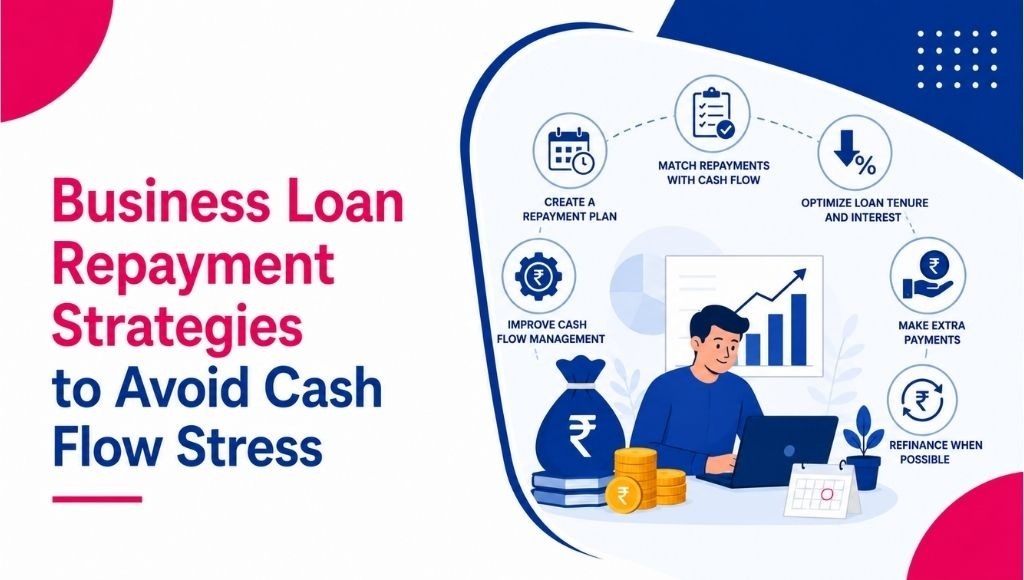
Mistake 6: Underestimating How EMI Affects Monthly Budget
A monthly EMI that looks manageable on paper can feel very different once it competes with rent, groceries, and other fixed expenses every single month.
- Building a full monthly budget before applying, not after the loan is disbursed, reveals whether the EMI is genuinely sustainable
- Keeping EMI obligations below roughly 40% of monthly take-home income is a commonly recommended guideline for maintaining financial flexibility
- Factoring in potential income disruption, such as a job change or medical expense, before committing to a tight repayment schedule prevents avoidable stress later
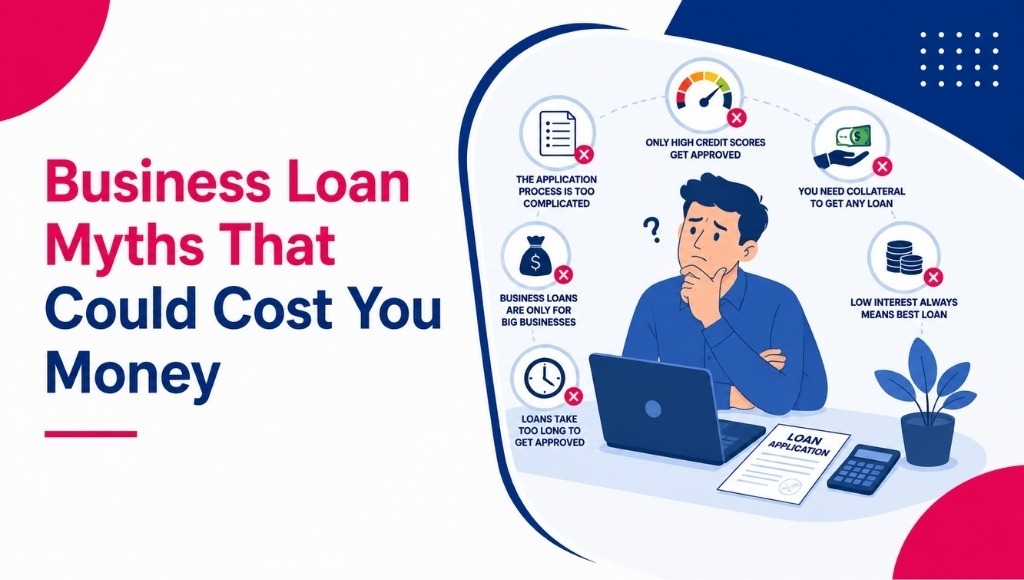
Also Read: Business Loan Myths That Could Cost You Money
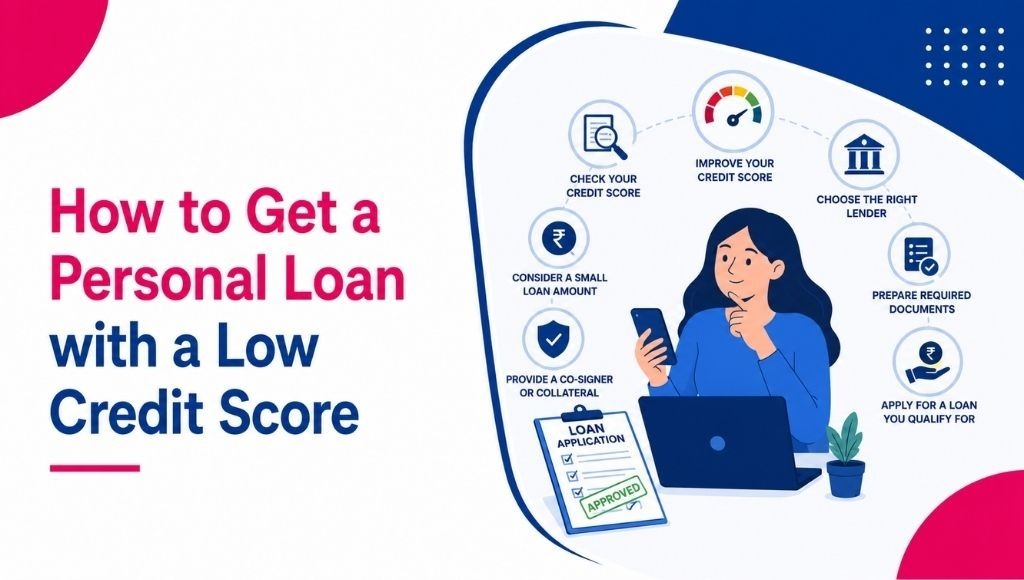
Mistake 7: Not Checking Credit Score Before Applying
Many first-time borrowers apply without ever having checked their own credit score, discovering their standing only when a lender quotes a higher-than-expected rate.
- A low or unknown credit score can result in higher interest rates or outright rejection
- Checking credit reports for errors before applying gives time to dispute inaccuracies that could otherwise hurt approval odds
- Even a modest credit score improvement before applying can noticeably lower the rate offered
Getting the Right Guidance as a First-Time Borrower
Given how many of these mistakes stem from simply not knowing what to ask, working with a guide familiar with local lending options can prevent several of them at once. Applicants exploring a personal loan in Ahmedabad for the first time often benefit from understanding upfront which lenders are realistically accessible for their income and credit profile, rather than applying broadly and hoping for the best outcome.
First-Time Business Borrowers Face Similar Traps
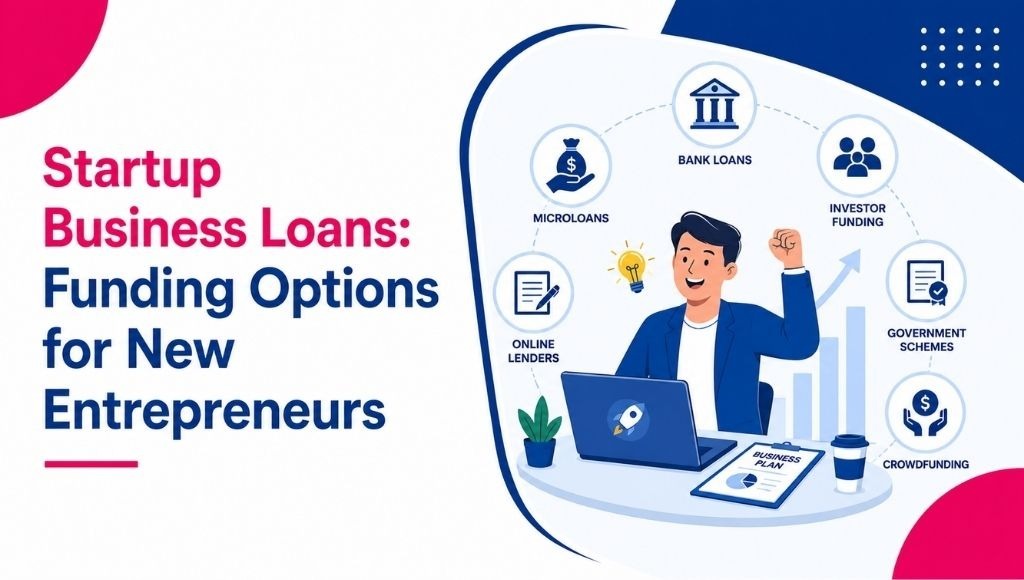
Entrepreneurs taking out their first loan for a new venture run into a closely related set of mistakes, often compounded by limited operating history and unfamiliar documentation requirements. Reviewing the mistakes covered in our guide on what small business owners get wrong when applying for a loan is worthwhile before applying, since several overlap directly with the first-time borrower mistakes covered here. Business owners exploring a business loan in Ahmedabad for the first time should treat the same due diligence process, comparing lenders, reading terms carefully, and confirming realistic repayment capacity, as equally important for a business loan as for a personal one.
Frequently Asked Questions
What is the biggest mistake first-time borrowers make?
Focusing entirely on getting approved rather than confirming the loan is actually affordable within their monthly budget is consistently cited as the most common and costly mistake among first-time borrowers.
Does applying to multiple lenders hurt credit score?
Multiple hard inquiries within a short window can cause a small, temporary dip in credit score. Researching options first and applying selectively to a shortlist avoids unnecessary credit impact.
Should a first-time borrower always choose the lowest interest rate?
Not necessarily. Total cost of borrowing, including processing fees and prepayment terms, matters as much as the headline interest rate, so comparing full loan terms rather than rate alone gives a more accurate picture.
A Quick Pre-Application Checklist for First-Time Borrowers
- Check your credit score and dispute any errors before applying
- Compare at least three lenders on total cost, not just advertised rate
- Calculate the EMI against your actual monthly budget, including a buffer for unexpected expenses
- Read the full loan agreement, particularly prepayment and late fee clauses, before signing
Conclusion
Most first-time borrower mistakes come down to a simple pattern: rushing toward approval while skipping the comparison, calculation, and reading that would have revealed a better option. Checking credit score early, comparing multiple lenders on total cost rather than just interest rate, and building a realistic budget around the EMI before signing anything are the habits that consistently separate a smooth first borrowing experience from a costly one. Taking the time to get these fundamentals right the first time saves both money and stress well beyond the initial loan itself.