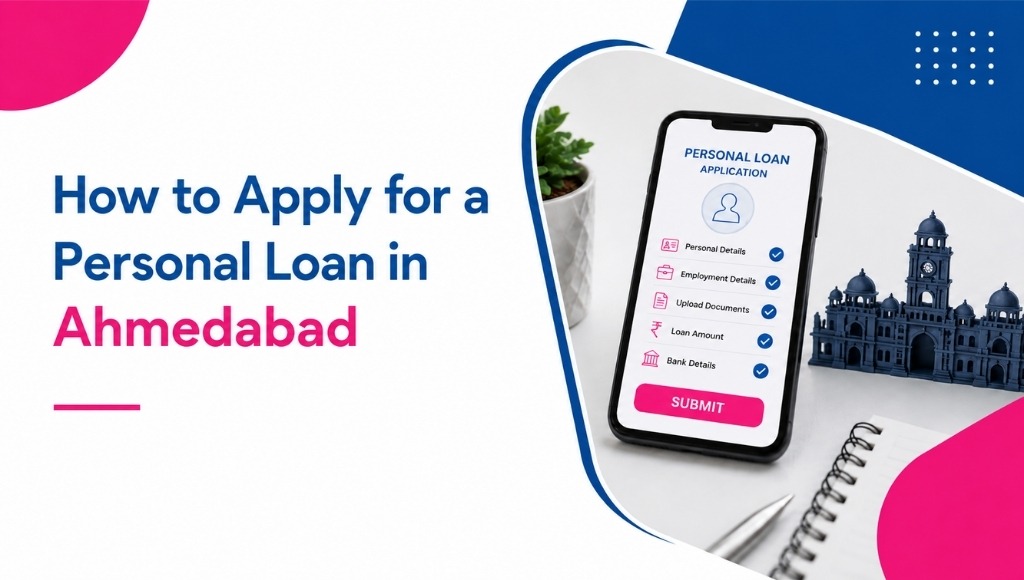
Ahmedabad has emerged as one of Gujarat’s fastest-growing financial hubs, and with that growth comes a rising demand for accessible credit. According to the Reserve Bank of India, personal loan disbursals across India grew by over 25% year-on-year in 2023, with tier-1 and tier-2 cities like Ahmedabad leading much of that surge. Whether it is a sudden medical emergency, a long-awaited home renovation, funding higher education, covering wedding costs, or consolidating existing debt, residents increasingly rely on personal loans to bridge financial gaps without liquidating savings.
This guide walks you through everything you need to know, from understanding how personal loans work to comparing lenders and submitting a strong application in Ahmedabad.
What Is a Personal Loan and How Does It Work?
Understanding Personal Loans
A personal loan is an unsecured form of credit, meaning you do not need to pledge any asset as collateral to obtain it. Lenders evaluate your application based on your income, credit history, and repayment capacity. Once approved, the loan is disbursed as a lump sum that you repay over a fixed tenure, typically ranging from 12 to 60 months, through equal monthly instalments.
Key Features of Personal Loans
Personal loans in Ahmedabad generally range from Rs. 50,000 to Rs. 40 lakh depending on the lender. Interest rates vary between 10.5% and 24% per annum based on your credit profile. Most lenders offer flexible repayment tenures, and many digital platforms now promise disbursal within 24 to 48 hours of approval, making them suitable for urgent financial needs.
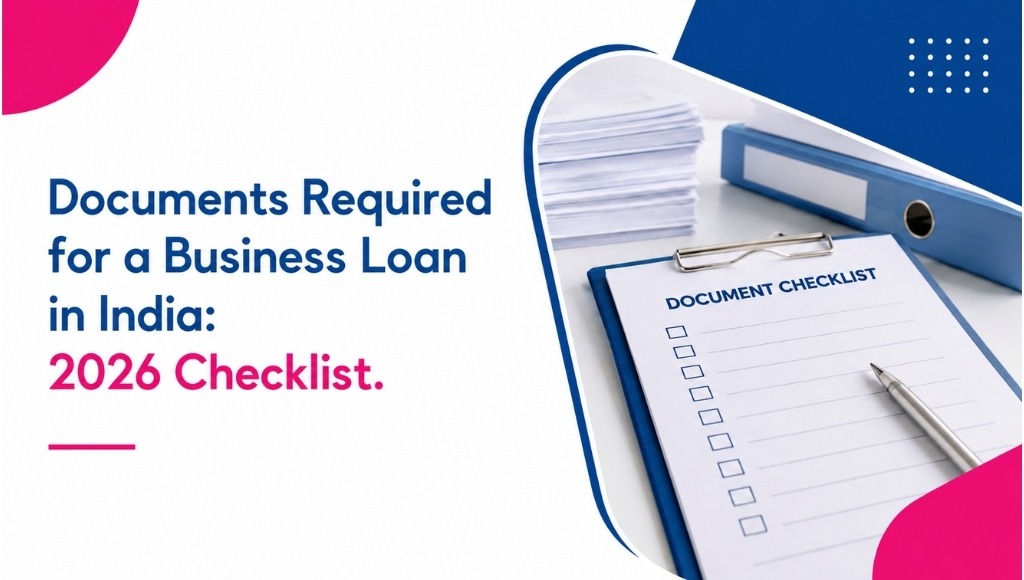
Documents Required for Personal Loan Approval
Identity Proof
Lenders require a government-issued identity document. Commonly accepted options include your PAN Card, Aadhaar Card, Passport, or Voter ID. Your PAN Card is especially important as it is mandatory for any loan above Rs. 50,000 under Indian income tax regulations.
Address Proof
To verify your residential address, you may submit recent utility bills, a registered rental agreement, or your Aadhaar Card. The document should reflect your current address and ideally be no older than three months.
Income Proof
Salaried applicants typically need to submit the last three months’ salary slips, six months’ bank statements, and Form 16 issued by their employer. Income Tax Returns for the past two years may also be required by certain banks.
Additional Documents for Self-Employed Applicants
If you run a business or work as a freelancer, lenders will ask for business registration proof such as a GST certificate, the last two years’ GST returns, and audited profit and loss statements. These documents help the lender assess the stability of your income.
Step-by-Step Process to Apply for a Personal Loan in Ahmedabad
Step 1 – Assess Your Loan Requirement
Before approaching any lender, calculate exactly how much funding you need. Borrowing more than necessary increases your EMI burden and total interest outgo. List your actual expenses and stick to that number.
Step 2 – Check Your Credit Score
A CIBIL score of 750 or above significantly improves your chances of approval and may help you secure a lower interest rate. Pull your credit report in advance and dispute any inaccuracies, as errors can drag your score down unfairly.
Step 3 – Compare Lenders
Ahmedabad borrowers have several options. Nationalised and private banks offer competitive rates but may have stricter eligibility criteria. NBFCs tend to be more flexible and approve applicants with moderate credit scores. Digital lending platforms have gained traction for their minimal paperwork and fast processing times.
Step 4 – Calculate EMI Affordability
Use an online EMI calculator to assess how different loan amounts and tenures affect your monthly outgo. As a general rule, your total monthly debt obligations should not exceed 40% of your take-home income. A longer tenure reduces your EMI but increases the total interest paid.
Step 5 – Submit the Application
Most lenders now offer both online and offline channels. For an online application, visit the lender’s website or app, fill in your details, and upload the required documents. For offline applications, visit the nearest branch with physical copies of your documents and a completed application form.
Step 6 – Complete Verification
After submission, the lender conducts KYC verification to confirm your identity and address. Income verification follows, where they assess your bank statements and salary documents to validate repayment capacity.
Step 7 – Loan Approval and Disbursal
Approval timelines vary. Banks may take three to seven working days, while digital platforms can approve and disburse funds within one to two business days. Once approved, the loan amount is transferred directly to your registered bank account.
Tips to Choose the Right Personal Loan in Ahmedabad
Compare APR Instead of Just Interest Rates
The Annual Percentage Rate gives a more complete picture of borrowing cost because it includes the interest rate plus processing fees and other charges. Two loans with the same interest rate can differ substantially in total cost once these are factored in.
Check Hidden Charges
Ask specifically about processing fees, prepayment penalties, foreclosure charges, and late payment fees. These are often buried in the fine print but can add meaningfully to your total repayment amount.
Review Repayment Flexibility
Some lenders allow partial prepayments without a penalty after a lock-in period, which can help you reduce interest over time. Confirm this before signing.
Evaluate Customer Support
Loan queries do not always arise during business hours. Choose a lender with responsive customer support, ideally offering multiple contact channels including chat, phone, and email.
Read Loan Terms Carefully
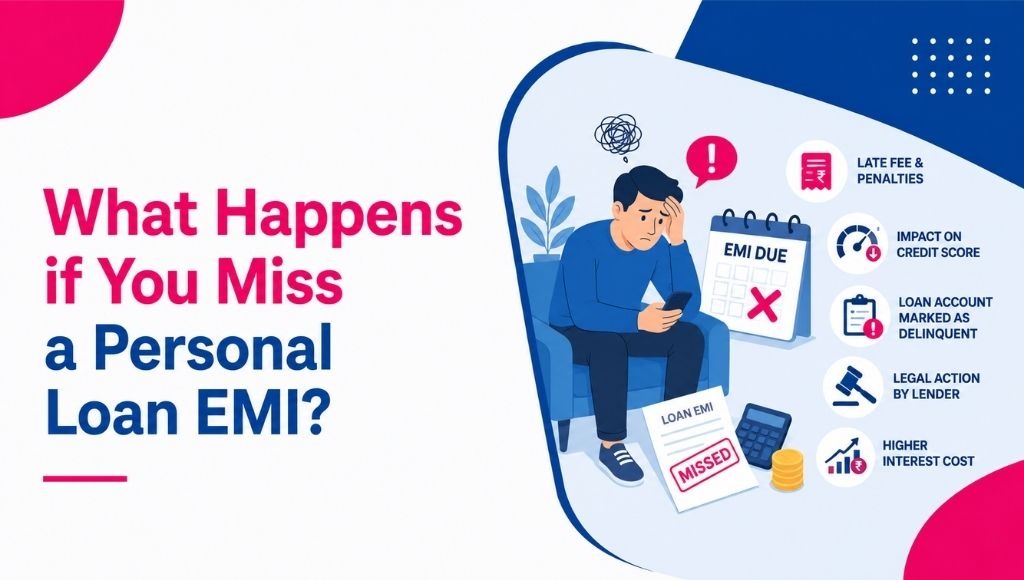
Go through the loan agreement thoroughly before signing. Pay attention to clauses around interest rate changes, default consequences, and auto-debit authorisation.
Final Thoughts
Applying for a personal loan in Ahmedabad is a straightforward process when you approach it with the right preparation. Assess your actual requirement, maintain a healthy credit score, compare multiple lenders, and understand all costs before committing. Responsible borrowing means only taking what you can comfortably repay. When your loan application is backed by accurate documents and a clear repayment plan, approval becomes significantly faster and less stressful.